Mia” is slang used online for bulimia nervosa, a serious, potentially life-threatening eating disorder marked by a cycle of binge eating and purging. Purging can take the form of self-induced vomiting, laxative or diuretic misuse, excessive exercise, or fasting, and it’s usually driven by an intense fear of weight gain and a distorted body image.
Key Characteristics of Bulimia (“Mia”):
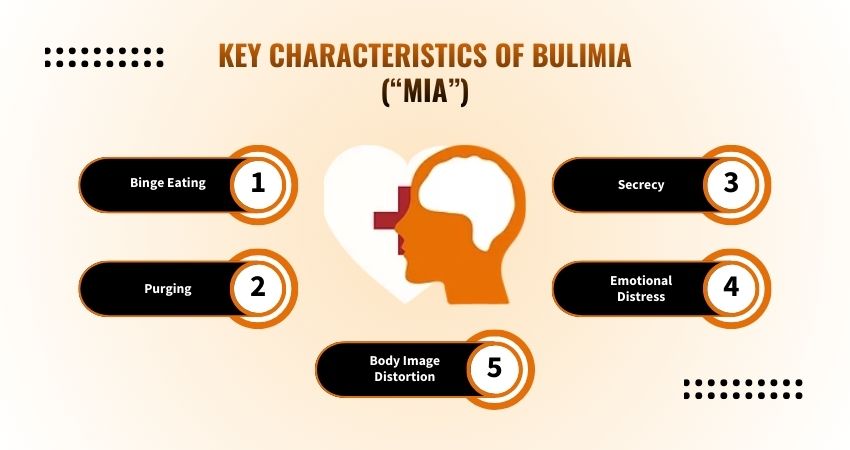
- Binge Eating: Eating unusually large amounts of food in a short time, often feeling out of control during the episode.
- Purging: Attempts to get rid of the calories through vomiting, laxatives, diuretics, or intense exercise.
- Secrecy: These behaviors are often done in private, and individuals may go to great lengths to hide their symptoms.
- Emotional Distress: Feelings of shame, guilt, anxiety, or depression often follow binge-purge episodes.
- Body Image Distortion: A strong focus on body shape and weight, often believing they are “overweight” even when they are not.
Physical and Emotional Health Risks:
If untreated, bulimia can lead to:
- Dehydration and electrolyte imbalances (which can cause heart problems)
- Tooth decay and enamel erosion (from stomach acid)
- Digestive problems, such as acid reflux or constipation
- Irregular menstruation
- Mood disorders, including anxiety and depression
Why Do People Call It “Mia”?
“Mia” (bulimia) and “Ana” (anorexia) started as shorthand in online spaces where disordered eating was sometimes normalized or even encouraged. Using clear, clinical language when talking about eating disorders, and steering conversations toward treatment rather than the slang itself matters more than the term.
Is Bulimia Treatable?
Yes. Bulimia nervosa is a treatable condition. A combination of:
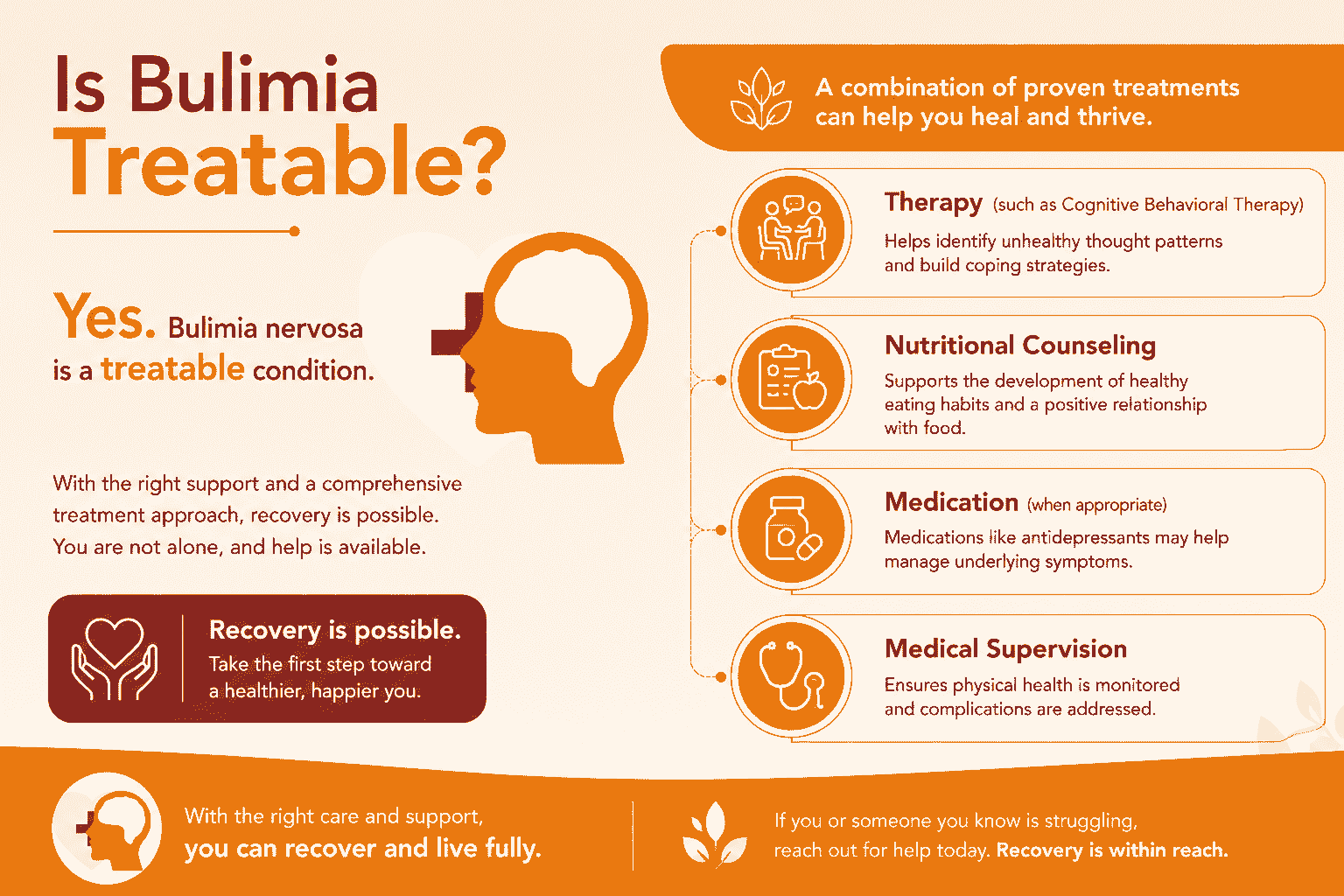
- Therapy (such as Cognitive Behavioral Therapy)
- Nutritional counseling
- Medication (when appropriate)
- Medical supervision
can significantly help individuals recover and improve their quality of life.
How Is Bulimia Diagnosed?
Diagnosing bulimia nervosa begins with a comprehensive evaluation by a healthcare professional. If you visit a doctor or mental health provider with symptoms of bulimia, they will discuss your eating patterns, emotional well-being, and any physical symptoms you may be experiencing.
Many people find it difficult to talk about disordered eating behaviors, but seeking professional help is an important step toward recovery and long-term health.
As part of the assessment, your provider may:
- Ask about binge eating or purging behaviors
- Review your medical and mental health history
- Discuss changes in mood, body image, and eating habits
- Evaluate physical symptoms related to bulimia
- Check your weight and overall health, if appropriate
You’re allowed to tell your provider you’d rather not know your weight during the exam. If bulimia or another eating disorder is suspected, you may be referred to a specialist or a multidisciplinary treatment team. Bringing a trusted friend or family member to the appointment can make it feel less overwhelming.
Self-Care Tips for Managing Bulimia
While professional treatment is important, these healthy habits can support recovery:
Helpful Strategies
- Avoid frequent body checking, mirror checking, or weighing yourself.
- Limit exposure to websites or social media that promote unhealthy weight loss.
- Stay occupied after meals with relaxing or engaging activities to reduce urges to purge.
- Rinse your mouth with water after vomiting and maintain regular dental checkups.
- Talk with trusted friends, family members, or support groups about your feelings.
What to Avoid
- Avoid acidic foods and drinks, such as fruit juice, during binge episodes or after purging, as they can damage tooth enamel.
- Avoid smoking, which can increase the risk of gum disease and other oral health problems.
Small, consistent steps combined with professional support can make a meaningful difference in recovery.
Support Groups for Bulimia Recovery
Connecting with others who understand what you’re experiencing can be an important part of recovery. Online communities and local support groups provide a safe space to share experiences, gain encouragement, and learn coping strategies from people facing similar challenges.
Support groups can help reduce feelings of isolation and offer valuable emotional support alongside professional treatment.
- Local support for eating disorders (Beat)
- Online eating disorders support groups (Beat)
- One-to-one webchat with a Beat helpline advisor (Beat)
- Blogs sharing stories and experiences about living with and recovering from bulimia (Beat)
If You or Someone You Know Is Struggling
Bulimia nervosa is a serious mental health condition that can affect physical and emotional well-being. Early diagnosis and treatment, including therapy, nutritional counseling, and medical support, can improve recovery outcomes.
Concerned About an Eating Disorder?
If you or a loved one is struggling with symptoms of bulimia, binge eating, anorexia, or another eating disorder, professional support can make a difference. At Insight Mental Wellness Our experienced mental health professionals provide compassionate, evidence-based care tailored to your unique needs.
Contact us today to schedule a confidential consultation and take the first step toward recovery, healthier eating habits, and improved emotional well-being.
FAQs
Is “Mia” the same as bulimia?
Yes, “Mia” is online shorthand for bulimia nervosa, not a separate condition.
What’s the difference between “Ana” and “Mia”?
“Ana” refers to anorexia nervosa, “Mia” refers to bulimia nervosa. Both are serious eating disorders, but they involve different patterns; anorexia centers on restriction, while bulimia involves cycles of bingeing and purging.
How do I know if someone I love has bulimia?
Signs include disappearing after meals, evidence of purging, unusual focus on weight or body image, dental problems, and secretive eating habits. A formal diagnosis requires evaluation by a healthcare provider.
Can bulimia be treated without hospitalization?
Most people recover through outpatient therapy, nutritional counseling, and medical monitoring. Hospitalization is generally reserved for cases with serious medical complications.