Living with bipolar depression can feel like an ongoing cycle of emotional highs and lows that interfere with work, relationships, and everyday life. While many people respond well to traditional treatments such as mood stabilizers, atypical antipsychotics, and psychotherapy, others continue to experience persistent depressive symptoms despite appropriate care.
This has led to growing interest in Spravato for Bipolar depression and its potential role in helping individuals with treatment-resistant symptoms. Although SPRAVATO® (esketamine) is FDA-approved for treatment-resistant depression and major depressive disorder with acute suicidal thoughts or behaviors—not specifically for bipolar depression, it may be considered in carefully selected patients under the supervision of an experienced psychiatric provider.
Understanding how Spravato compares with conventional treatment options can help patients have informed conversations with their healthcare team. This guide explains how Spravato works, how it differs from traditional bipolar depression treatments, its potential benefits and limitations, common SPRAVATO side effects, and what to expect during a SPRAVATO First appointment.
Quick Answer: Is Spravato Better Than Traditional Treatments for Bipolar Depression?
There isn’t a single “best” treatment for bipolar depression.
Traditional medications remain the first-line approach for most people with bipolar disorder because they help stabilize mood and reduce the risk of manic episodes. Spravato may become an option for certain patients with treatment-resistant bipolar depression when used alongside mood-stabilizing medication and under close psychiatric supervision. Because bipolar depression carries unique risks, treatment decisions should always be individualized.
Understanding Bipolar Depression
Bipolar disorder is a mental health condition characterized by alternating episodes of depression and mania or hypomania. While manic episodes often receive the most attention, depressive episodes usually last longer and account for much of the disability associated with the condition.
Common symptoms include:
- Persistent sadness or hopelessness
- Loss of interest in previously enjoyable activities
- Fatigue or low energy
- Difficulty concentrating
- Changes in appetite or sleep
- Feelings of worthlessness
- Suicidal thoughts in severe cases
Unlike major depressive disorder, bipolar depression requires treatments that improve depressive symptoms without increasing the risk of triggering mania.
Not everyone with bipolar depression is a candidate for SPRAVATO. A comprehensive evaluation can help determine whether this innovative treatment fits your needs. Learn more about SPRAVATO Treatment in Dallas and what to expect during the evaluation process.
What Is SPRAVATO?
SPRAVATO® is a prescription nasal spray containing esketamine, a derivative of ketamine. It is administered only in certified treatment centers through a Risk Evaluation and Mitigation Strategy (REMS) program.
Unlike conventional antidepressants that primarily target serotonin, norepinephrine, or dopamine, Spravato works by affecting glutamate, the brain’s primary excitatory neurotransmitter. This action promotes new neural connections that may improve mood more rapidly than traditional antidepressants.
Treatment is always performed under medical supervision because patients must remain in the clinic for at least two hours after each session for monitoring.
Read More: What is SPRAVATO
Traditional Treatments for Bipolar Depression
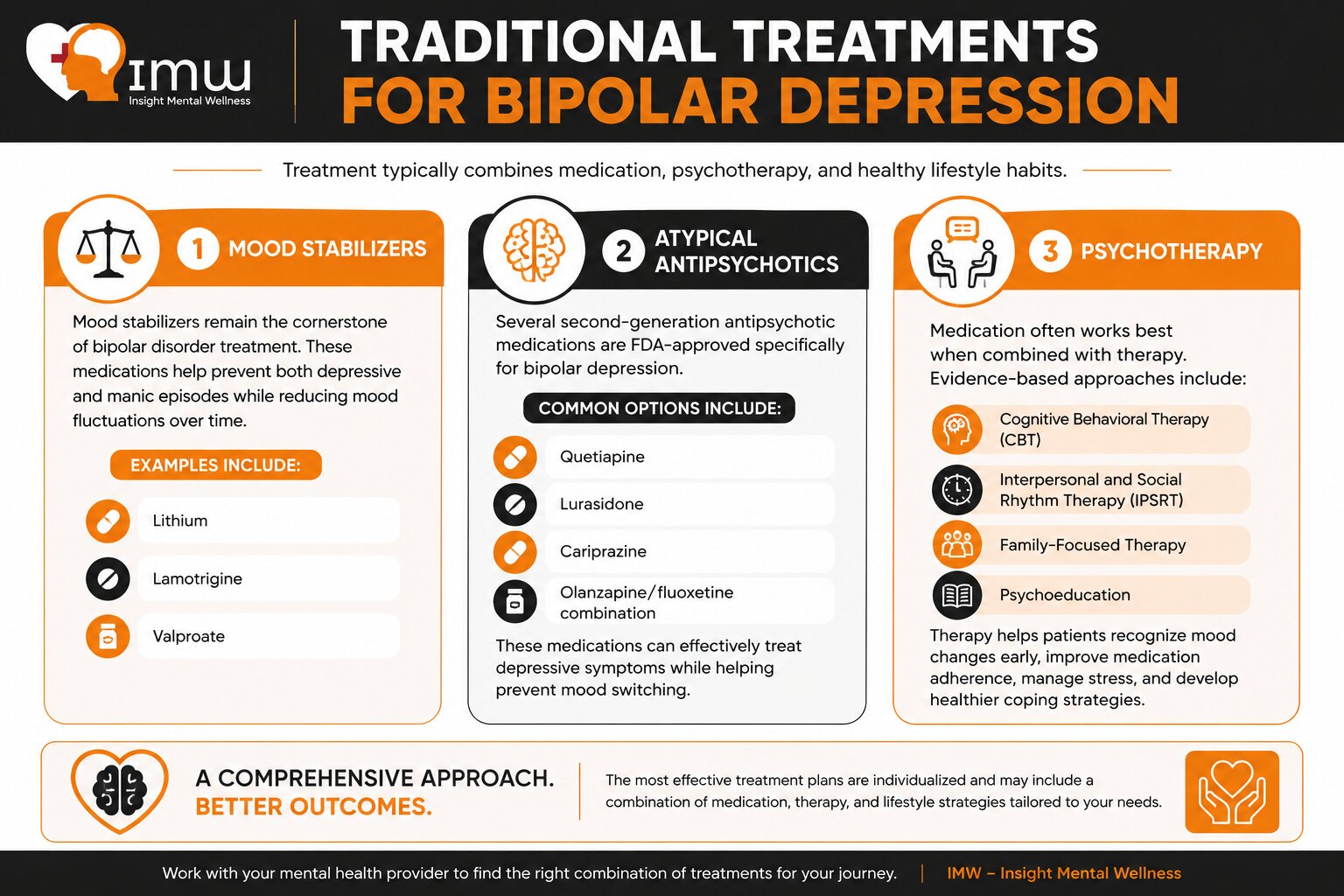
Treatment typically combines medication, psychotherapy, and healthy lifestyle habits.
Mood Stabilizers
Mood stabilizers remain the cornerstone of bipolar disorder treatment. These medications help prevent both depressive and manic episodes while reducing mood fluctuations over time.
Examples include:
- Lithium
- Lamotrigine
- Valproate
Atypical Antipsychotics
Several second-generation antipsychotic medications are FDA-approved specifically for bipolar depression.
Common options include:
- Quetiapine
- Lurasidone
- Cariprazine
- Olanzapine/fluoxetine combination
These medications can effectively treat depressive symptoms while helping prevent mood switching.
Psychotherapy
Medication often works best when combined with therapy. Evidence-based approaches include:
- Cognitive Behavioral Therapy (CBT)
- Interpersonal and Social Rhythm Therapy (IPSRT)
- Family-Focused Therapy
- Psychoeducation
Therapy helps patients recognize mood changes early, improve medication adherence, manage stress, and develop healthier coping strategies.
How Spravato Differs from Traditional Treatments
Traditional bipolar medications primarily focus on long-term mood stabilization. Spravato works through a different biological pathway and may produce symptom improvement much faster in some individuals.
| Feature | Spravato | Traditional Treatments |
|---|---|---|
| Administration | Nasal spray in certified clinic | Oral medications or injections |
| Primary Target | Glutamate system | Serotonin, dopamine, mood stabilization |
| Onset of Effect | May improve symptoms within hours to days for some patients | Often several weeks |
| Monitoring | Two-hour observation after each treatment | Routine outpatient monitoring |
| FDA Approval for Bipolar Depression | No | Several medications are approved |
| Typical Use | Selected treatment-resistant cases | First-line treatment |
Potential Benefits of Spravato
For carefully selected patients, potential advantages may include:
- Faster improvement in depressive symptoms
- Relief for treatment-resistant depression
- A novel mechanism of action
- Reduced severity of depressive episodes for some individuals
- Administration under direct medical supervision
However, these benefits should always be weighed against individual risks, existing medications, and the possibility of mood destabilization in bipolar disorder.
Is Spravato Right for Bipolar Depression?
Spravato is not considered a first-line treatment for bipolar depression. Instead, psychiatric providers evaluate several factors before recommending it, including:
- Previous response to medications
- Number of failed treatment attempts
- Current mood stability
- History of manic episodes
- Coexisting anxiety or substance use disorders
- Overall physical health
Treatment decisions should always be personalized and made with an experienced mental health professional.
Benefits and Limitations of SPRAVATO for Bipolar Depression
While research on Spravato for Bipolar continues to evolve, mental health providers generally consider it only after conventional treatments have not provided sufficient relief. Because bipolar disorder is a complex condition, treatment decisions should balance potential benefits with safety considerations.
Potential Benefits of SPRAVATO
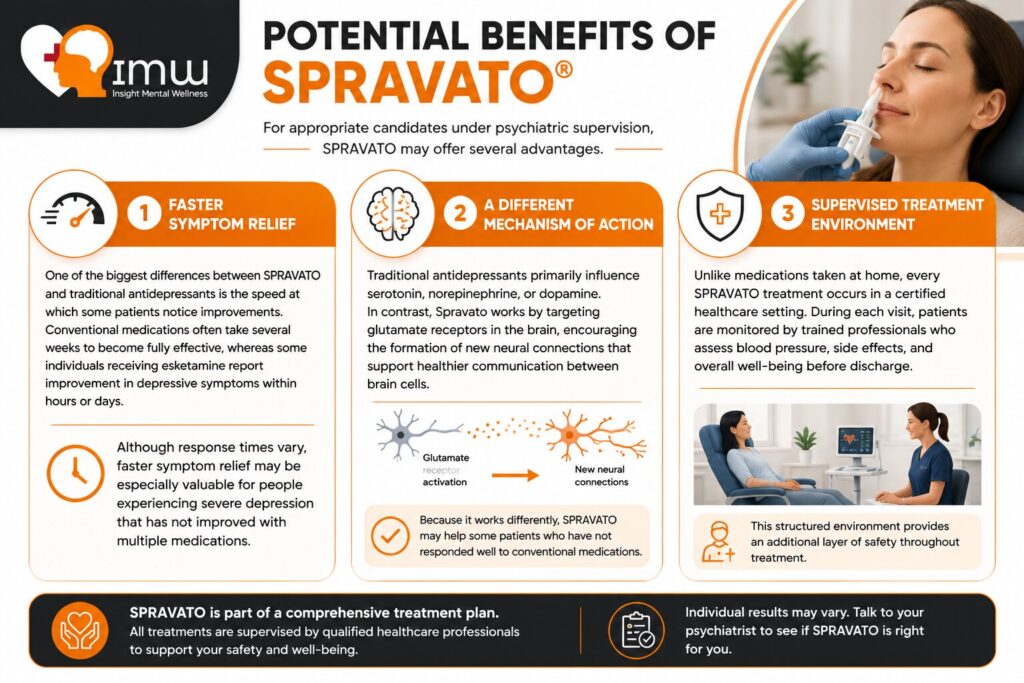
For appropriate candidates under psychiatric supervision, SPRAVATO may offer several advantages.
Faster Symptom Relief
One of the biggest differences between SPRAVATO and traditional antidepressants is the speed at which some patients notice improvements. Conventional medications often take several weeks to become fully effective, whereas some individuals receiving esketamine report improvement in depressive symptoms within hours or days.
Although response times vary, faster symptom relief may be especially valuable for people experiencing severe depression that has not improved with multiple medications.
A Different Mechanism of Action
Traditional antidepressants primarily influence serotonin, norepinephrine, or dopamine. In contrast, Spravato works by targeting glutamate receptors in the brain, encouraging the formation of new neural connections that support healthier communication between brain cells.
Because it works differently, SPRAVATO may help some patients who have not responded well to conventional medications.
Supervised Treatment Environment
Unlike medications taken at home, every SPRAVATO treatment occurs in a certified healthcare setting. During each visit, patients are monitored by trained professionals who assess blood pressure, side effects, and overall well-being before discharge.
This structured environment provides an additional layer of safety throughout treatment.
Limitations of SPRAVATO
Although promising, SPRAVATO is not suitable for everyone.
Important limitations include:
- It is not FDA-approved specifically for bipolar depression.
- It should never replace mood stabilizers without physician guidance.
- Treatment requires regular clinic visits.
- Patients cannot drive until the following day after each treatment session.
- Insurance approval may depend on diagnosis and clinical history.
For many individuals, traditional bipolar medications remain the most appropriate first-line treatment.
If you’ve tried multiple medications without lasting relief, it may be time to explore other options. At Insight Mental Wellness, we provide SPRAVATO Treatment in Dallas with compassionate, individualized care designed around your mental health goals.
Understanding SPRAVATO Side Effects
Like any medication, SPRAVATO can cause side effects. Most occur shortly after administration and improve before leaving the clinic.
Common SPRAVATO side effects include:
- Dizziness
- Sleepiness
- Nausea
- Increased blood pressure
- Dissociation (feeling disconnected from yourself or your surroundings)
- Headache
- Vertigo
- Anxiety
- Reduced alertness
Less commonly, some patients may experience vomiting, blurred vision, or temporary changes in perception.
Because of these effects, patients remain under observation for at least two hours after each treatment.
When Should You Contact Your Provider?
Seek medical advice promptly if you experience:
- Persistent confusion
- Severe chest pain
- Difficulty breathing
- Significant worsening of mood
- New or worsening suicidal thoughts
- Symptoms of mania, such as decreased need for sleep, racing thoughts, impulsive behavior, or unusually elevated mood
Prompt communication helps your provider determine whether treatment adjustments are necessary.
Can SPRAVATO Trigger Mania?
This is one of the most important questions people with bipolar disorder ask.
Any medication that affects mood has the potential to contribute to manic symptoms in susceptible individuals. Although available evidence suggests this risk may be reduced when patients remain on appropriate mood stabilizers, careful screening and close monitoring are essential.
Before recommending SPRAVATO, psychiatric providers typically evaluate:
- Previous manic or hypomanic episodes
- Family history of bipolar disorder
- Current medications
- Overall psychiatric stability
- Risk factors for mood switching
Patients are monitored throughout treatment to detect any signs of mood elevation early.
What Happens During Your SPRAVATO First Appointment?
Knowing what to expect can reduce anxiety before treatment.
A typical SPRAVATO First appointment includes several steps.
Initial Evaluation
Your provider reviews:
- Medical history
- Psychiatric history
- Current medications
- Previous depression treatments
- Bipolar diagnosis and mood stability
- Blood pressure and overall health
This evaluation helps determine whether SPRAVATO is appropriate for your situation.
Treatment Administration
Once approved:
- Your blood pressure is checked.
- You self-administer the nasal spray under medical supervision.
- You remain in a comfortable observation area.
Many patients read, listen to calming music, or simply rest while the medication takes effect.
Observation Period
Healthcare professionals monitor you for approximately two hours.
During this time they evaluate:
- Blood pressure
- Level of alertness
- Side effects
- Overall response
Most side effects gradually resolve before patients return home with a designated driver.
Practical Example
Consider two patients experiencing bipolar depression.
Patient A recently received a diagnosis and has never tried medication. Their psychiatrist recommends beginning with evidence-based mood stabilizers and psychotherapy because these remain the standard first-line treatments.
Patient B has tried several medications over multiple years while continuing to experience disabling depressive episodes despite good treatment adherence. After a comprehensive psychiatric evaluation, their provider determines that SPRAVATO may be an appropriate option alongside ongoing mood stabilization.
These examples highlight why treatment decisions are highly individualized rather than one-size-fits-all.
Who May Be a Candidate for SPRAVATO?
A psychiatric provider may consider SPRAVATO for patients who:
✔ Continue experiencing significant depression despite multiple treatment attempts
✔ Are under the care of a mental health specialist
✔ Can attend regularly scheduled clinic appointments
✔ Have stable mood management with appropriate bipolar medications
✔ Understand the benefits, limitations, and monitoring requirements
Not everyone with bipolar depression will qualify, making a comprehensive psychiatric assessment essential.
Traditional Treatment vs. SPRAVATO: Which Is Right for You?
The answer depends on your individual medical history, symptom severity, previous treatment response, and overall mental health.
Traditional treatments remain the foundation of bipolar disorder management because they help stabilize mood over the long term and reduce the likelihood of manic episodes.
SPRAVATO may become part of a treatment plan for carefully selected patients with treatment-resistant depressive symptoms when managed by experienced psychiatric providers.
Ready to Explore Your Treatment Options?
If traditional treatments haven’t provided the relief you’re looking for, Insight Mental Wellness offers SPRAVATO Treatment in Dallas, TX, in a safe, supportive clinical setting. Schedule a consultation to find out if SPRAVATO Treatment in Dallas is the right next step for your personalized mental health journey.