Living with an anxiety disorder can feel exhausting. Persistent worry, racing thoughts, difficulty sleeping, panic attacks, and physical symptoms such as a rapid heartbeat or muscle tension can interfere with work, relationships, and everyday life. While therapy, lifestyle changes, and stress management are important parts of treatment, many people also benefit from Medication Management for Anxiety as part of a personalized mental health care plan.
Medication management is more than simply receiving a prescription. It is an ongoing process that involves selecting the most appropriate medication, monitoring your progress, adjusting treatment when necessary, and minimizing side effects. When overseen by an experienced psychiatric provider, medication management helps ensure that treatment remains safe, effective, and tailored to your unique needs.
This guide explains how medication management works, the different types of anxiety disorders it can help treat, when medication may be recommended, and what you can expect throughout your treatment journey.
Quick Answer: What Is Medication Management for Anxiety Disorders?
Medication Management for Anxiety is the continuous evaluation, prescription, monitoring, and adjustment of anxiety medications by a qualified mental health provider. The goal is to reduce anxiety symptoms while minimizing side effects and improving overall quality of life.
Unlike receiving a one-time prescription, medication management includes:
- Comprehensive psychiatric evaluation
- Individualized medication selection
- Regular follow-up appointments
- Dosage adjustments when needed
- Monitoring effectiveness and side effects
- Coordination with therapy and other treatments
- Long-term treatment planning
This personalized approach helps patients achieve better outcomes while reducing the risks associated with inappropriate medication use.
What Is an Anxiety Disorder?
Anxiety is a normal response to stress, uncertainty, or perceived danger. However, when anxiety becomes persistent, excessive, or difficult to control, it may indicate an anxiety disorder.
Anxiety disorders are among the most common mental health conditions and can affect people of all ages. They often involve intense fear or worry that interferes with daily activities, work, school, or relationships.
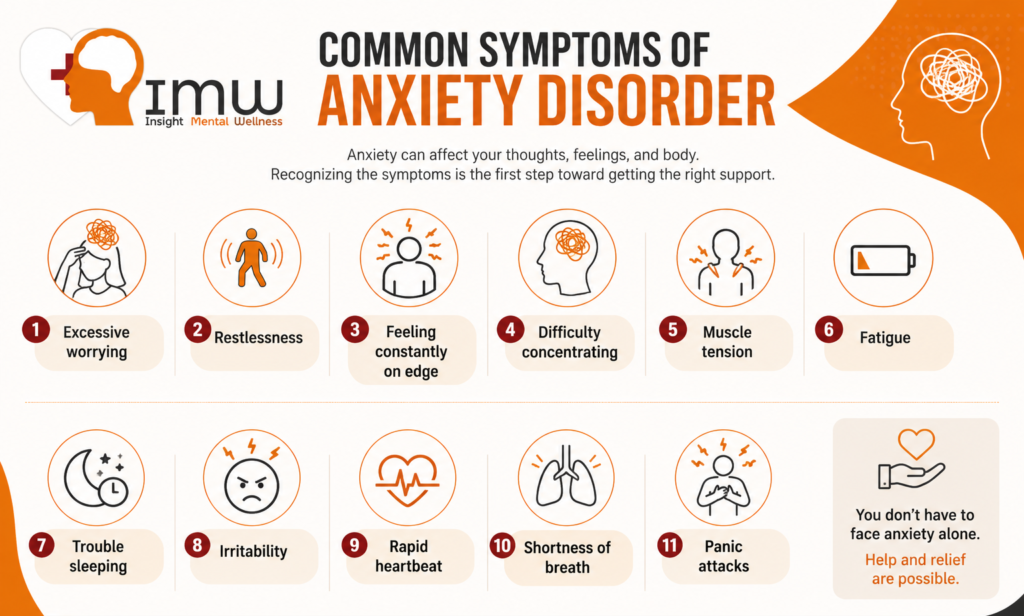
Common symptoms include:
- Excessive worrying
- Restlessness
- Feeling constantly on edge
- Difficulty concentrating
- Muscle tension
- Fatigue
- Trouble sleeping
- Irritability
- Rapid heartbeat
- Shortness of breath
- Panic attacks
Because these symptoms can overlap with other medical or psychiatric conditions, a comprehensive evaluation is essential before beginning Anxiety Medication or any treatment plan.
Struggling with persistent anxiety? Learn how personalized Medication Management in Dallas at Insight Mental Wellness can help you find the right treatment plan.
Types of Anxiety Disorders That May Benefit from Medication Management
Medication management can be helpful for several anxiety-related conditions. Treatment recommendations depend on the severity of symptoms, medical history, and individual treatment goals.
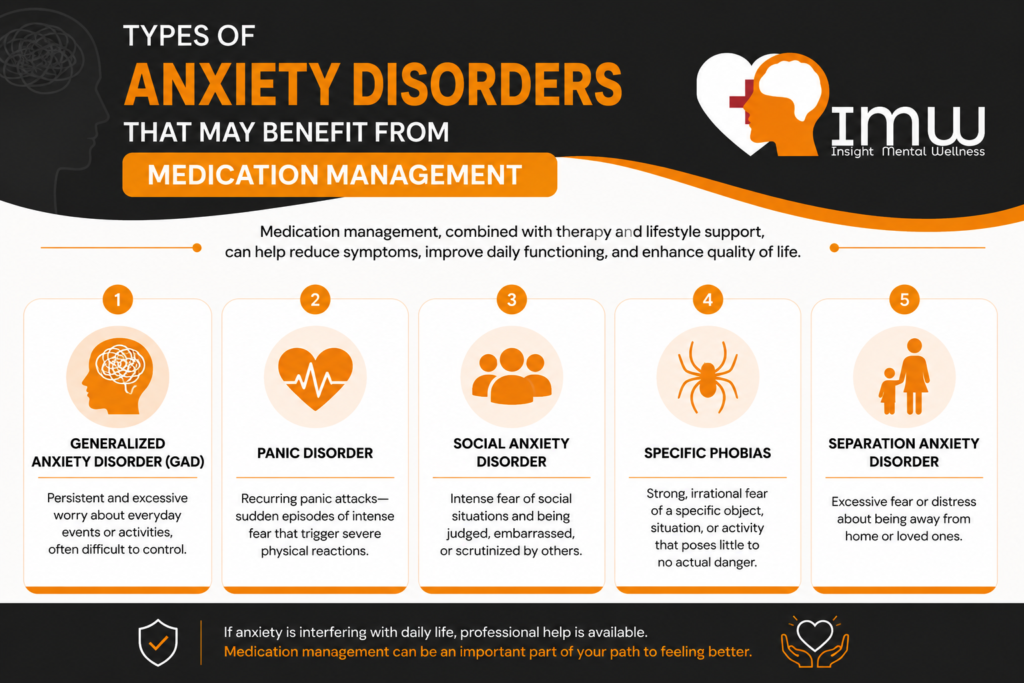
Generalized Anxiety Disorder (GAD)
Generalized Anxiety Disorder is characterized by excessive worry about everyday situations, even when there is little or no reason for concern.
People with GAD often experience:
- Constant worrying
- Difficulty relaxing
- Fatigue
- Sleep disturbances
- Muscle aches
- Trouble concentrating
Medication can help reduce persistent anxiety while allowing individuals to participate more effectively in therapy and daily life.
Panic Disorder
Panic disorder involves recurring panic attacks that may occur unexpectedly.
Symptoms may include:
- Chest pain
- Rapid heartbeat
- Sweating
- Trembling
- Shortness of breath
- Dizziness
- Fear of losing control
Medication management can help decrease both the frequency and severity of panic attacks.
Social Anxiety Disorder
Social anxiety disorder goes beyond ordinary nervousness. Individuals often experience intense fear of social interactions or situations where they may feel judged or embarrassed.
Treatment may include:
- Medication
- Cognitive Behavioral Therapy (CBT)
- Exposure therapy
- Lifestyle modifications
Specific Phobias
Some people experience overwhelming fear related to particular objects or situations, such as:
- Flying
- Heights
- Needles
- Animals
- Enclosed spaces
Although therapy is often the first-line treatment, medication may be appropriate in certain situations.
Separation Anxiety Disorder
While commonly associated with children, separation anxiety can also affect adults. Individuals may experience excessive fear or distress when separated from loved ones or familiar environments.
Medication may be considered when symptoms significantly impair daily functioning.
When Is Medication Recommended for Anxiety?
Not everyone with anxiety requires medication. Many people improve with therapy, stress management, exercise, and healthy lifestyle changes. However, medication may be recommended when symptoms are moderate to severe or interfere with daily life.
A psychiatric provider may recommend Anxiety Medication if you:
- Experience persistent anxiety lasting several months
- Have frequent panic attacks
- Find it difficult to work or attend school
- Avoid social situations because of anxiety
- Experience severe sleep disturbances
- Do not respond adequately to therapy alone
- Have anxiety alongside depression or another mental health condition
The decision to begin medication should always be made collaboratively between you and your healthcare provider after discussing the potential benefits, risks, and alternatives.
Not sure if anxiety medication is right for you? Schedule a comprehensive evaluation with Insight Mental Wellness to discuss your options.
How Medication Management for Anxiety Works
Effective medication management is a structured process rather than a single appointment. Each stage is designed to optimize treatment while ensuring patient safety.
Step 1: Comprehensive Psychiatric Evaluation
Your provider begins by gathering detailed information about your mental and physical health.
This evaluation typically includes:
- Current symptoms
- Medical history
- Family history of mental illness
- Previous medications
- Current medications
- Lifestyle factors
- Sleep patterns
- Substance use
- Stressors
- Treatment goals
This assessment helps identify the most appropriate treatment approach.
Step 2: Developing a Personalized Treatment Plan
Every individual responds differently to medication. Factors such as age, overall health, symptom severity, and coexisting conditions all influence treatment decisions.
A personalized plan may include:
- Prescription medication
- Psychotherapy
- Lifestyle recommendations
- Stress reduction techniques
- Sleep improvement strategies
- Follow-up scheduling
Rather than focusing solely on symptom relief, providers aim to improve overall functioning and quality of life.
Step 3: Selecting the Right Medication
Choosing the right medication requires careful clinical judgment. Your provider considers:
- Type of anxiety disorder
- Symptom severity
- Potential side effects
- Medical conditions
- Drug interactions
- Pregnancy considerations
- Previous medication response
- Patient preferences
Finding the most effective medication sometimes requires adjustments over time, making ongoing follow-up an essential part of successful treatment.
Step 4: Regular Monitoring and Follow-Up
Medication management does not end after receiving a prescription.
Regular appointments allow your provider to evaluate:
- Symptom improvement
- Medication effectiveness
- Side effects
- Sleep quality
- Daily functioning
- Emotional well-being
- Need for dosage adjustments
Consistent monitoring helps improve long-term treatment success while reducing unnecessary risks.
Types of Anxiety Medications Used in Medication Management
There is no single medication that works for everyone. The most effective treatment depends on the type of anxiety disorder, symptom severity, medical history, lifestyle, and individual response to medication. During Medication Management for Anxiety, your psychiatric provider carefully selects and adjusts medications based on your progress rather than relying on a one-size-fits-all approach.
Understanding the most common categories of Anxiety Medication can help you have informed discussions with your healthcare provider.
Selective Serotonin Reuptake Inhibitors (SSRIs)
SSRIs are typically considered the first-line medication for many anxiety disorders because they have been extensively studied and are generally well tolerated for long-term use.
Common SSRIs include:
- Sertraline
- Escitalopram
- Fluoxetine
- Paroxetine
- Citalopram
Benefits of SSRIs
- Effective for generalized anxiety disorder
- Helpful for panic disorder
- Can reduce symptoms of social anxiety disorder
- Often beneficial when anxiety occurs alongside depression
- Suitable for long-term treatment in many patients
Possible Side Effects
Some people experience mild side effects during the first few weeks of treatment, including:
- Nausea
- Headache
- Sleep changes
- Dry mouth
- Increased sweating
- Temporary increase in anxiety
- Sexual side effects
These symptoms often improve as the body adjusts to the medication. Patients should never stop taking SSRIs without consulting their healthcare provider.
Serotonin-Norepinephrine Reuptake Inhibitors (SNRIs)
SNRIs work by increasing both serotonin and norepinephrine levels in the brain. They are another common first-line treatment for anxiety disorders.
Examples include:
- Venlafaxine
- Duloxetine
SNRIs may be recommended for people who have not responded well to SSRIs or who also experience chronic pain conditions.
Benzodiazepines
Benzodiazepines act quickly to reduce anxiety symptoms and are generally reserved for short-term use or specific situations because they carry a risk of dependence.
Examples include:
- Alprazolam
- Lorazepam
- Clonazepam
- Diazepam
When They May Be Used
- Severe panic attacks
- Acute anxiety episodes
- Temporary symptom relief while waiting for antidepressants to become effective
Important Considerations
Because benzodiazepines can cause tolerance, dependence, and withdrawal symptoms, they should only be used under close medical supervision and exactly as prescribed.
Buspirone
Buspirone is a non-benzodiazepine medication primarily used to treat generalized anxiety disorder.
Benefits include:
- Lower risk of dependence
- Suitable for long-term use
- Does not usually cause sedation
- Does not impair daily functioning as significantly as some other medications
However, it may take several weeks before noticeable improvements occur.
Beta Blockers
Although beta blockers are not antidepressants, they may help control the physical symptoms of anxiety in certain situations.
They are sometimes prescribed for:
- Public speaking anxiety
- Performance anxiety
- Test anxiety
- Stage fright
They can reduce symptoms such as:
- Rapid heartbeat
- Trembling
- Sweating
Beta blockers do not treat the underlying anxiety disorder but may help manage specific situations.
Other Medications
Depending on your diagnosis and overall health, your psychiatric provider may occasionally recommend other medications, including:
- Certain atypical antidepressants
- Hydroxyzine for short-term anxiety relief
- Mood stabilizers when anxiety occurs alongside bipolar disorder
- Other individualized treatment options based on your medical history
Treatment decisions should always be personalized and made with a qualified mental health professional.
Looking for compassionate mental health care in Dallas? Insight Mental Wellness offers personalized medication management and ongoing support.
Benefits of Medication Management for Anxiety Disorders
Medication management offers more than symptom relief. It provides continuous monitoring and individualized care to help patients achieve lasting improvements.
Potential benefits include:
- Reduced excessive worry
- Fewer panic attacks
- Better sleep quality
- Improved concentration
- Increased ability to work or attend school
- Enhanced social functioning
- Better emotional regulation
- Reduced physical symptoms such as muscle tension and rapid heartbeat
- Improved overall quality of life
Perhaps most importantly, medication management helps ensure that treatment evolves as your needs change.
Possible Risks and Side Effects
Every medication has potential risks, which is why ongoing monitoring is essential.
Possible side effects vary depending on the medication, but may include:
- Nausea
- Headaches
- Drowsiness
- Dizziness
- Dry mouth
- Weight changes
- Sexual side effects
- Insomnia
- Fatigue
- Increased sweating
Less commonly, some individuals may experience worsening symptoms or unusual reactions. Patients should promptly report any concerning side effects to their healthcare provider.
Why Follow-Up Appointments Matter
One of the biggest misconceptions about anxiety treatment is that receiving a prescription is the end of the process.
In reality, successful Medication Management for Anxiety depends on regular follow-up visits that allow providers to:
- Monitor symptom improvement
- Evaluate medication effectiveness
- Identify side effects early
- Adjust dosages safely
- Prevent medication interactions
- Review lifestyle changes
- Support long-term recovery
These appointments help ensure that treatment remains effective as your symptoms and life circumstances evolve.
Medication vs. Therapy: Which Is Better?
For many individuals, the best outcomes come from combining medication with psychotherapy rather than relying on either approach alone.
| Feature | Medication Management | Psychotherapy |
|---|---|---|
| Primary Goal | Reduce biological symptoms | Address thoughts, behaviors, and coping skills |
| Time to Improvement | Several days to several weeks, depending on the medication | Often develops gradually over multiple sessions |
| Best For | Moderate to severe anxiety symptoms | Mild to moderate anxiety, long-term coping |
| Long-Term Benefits | Maintains symptom stability when appropriately monitored | Builds lifelong emotional resilience and coping strategies |
| Often Combined With | Therapy, lifestyle modifications | Medication when clinically appropriate |
Rather than viewing medication and therapy as competing treatments, mental health professionals often recommend integrating both to provide comprehensive care.
Lifestyle Habits That Support Anxiety Medication
Medication is most effective when combined with healthy daily habits.
Patients may improve treatment outcomes by:
- Maintaining a consistent sleep schedule
- Exercising regularly
- Limiting caffeine and alcohol
- Eating a balanced diet
- Practicing mindfulness or meditation
- Learning stress-management techniques
- Attending therapy consistently
- Taking medications exactly as prescribed
- Keeping follow-up appointments
- Building a strong support network
These habits complement medication and contribute to long-term emotional well-being.
Common Mistakes to Avoid During Anxiety Treatment
To get the greatest benefit from treatment, avoid these common mistakes:
- Stopping medication without medical guidance
- Skipping follow-up appointments
- Changing the dosage on your own
- Expecting immediate results from every medication
- Using someone else’s prescription
- Mixing medications with alcohol or recreational drugs
- Ignoring side effects instead of discussing them with your provider
- Discontinuing therapy after symptoms improve
Open communication with your healthcare provider is one of the most important factors in successful treatment.
Anxiety Medication Checklist
Use this checklist to prepare for your first medication management appointment:
- Make a list of your symptoms and when they occur.
- Write down all medications and supplements you currently take.
- Note any previous mental health treatments or medications.
- Be prepared to discuss your medical history and family history.
- Record questions you want to ask your provider.
- Keep track of sleep patterns, stress levels, and daily functioning.
- Bring your insurance information and identification if applicable.
Being prepared helps your provider develop a treatment plan tailored to your needs.
Conclusion
Anxiety disorders are highly treatable, and no two treatment plans are exactly alike. Medication management provides a structured, evidence-based approach that helps ensure medications are chosen thoughtfully, monitored carefully, and adjusted as your needs evolve.
Whether you’re experiencing generalized anxiety, panic attacks, or another anxiety-related condition, working closely with a qualified psychiatric provider can help you gain better symptom control and improve your overall quality of life. When combined with therapy, healthy lifestyle habits, and regular follow-up care, medication management can be an important part of long-term mental wellness.
Take the Next Step Toward Better Mental Health
Living with anxiety doesn’t have to mean struggling alone. If your symptoms are affecting your daily life, professional support can make a meaningful difference. At Insight Mental Wellness, we provide personalized Medication Management in Dallas to help individuals manage anxiety disorders through comprehensive evaluations, individualized treatment plans, and ongoing medication monitoring.
Schedule an appointment with Insight Mental Wellness today to learn how our Medication Management in Dallas services can help you take control of your anxiety and move toward lasting mental wellness.
FAQs
1. What is medication management for anxiety disorders?
Medication management is the process of evaluating, prescribing, monitoring, and adjusting anxiety medications to ensure they remain safe and effective over time. It includes regular follow-up appointments and personalized treatment planning.
2. How long does anxiety medication take to work?
Many first-line anxiety medications begin showing improvement within two to six weeks, although the timeline varies depending on the medication and the individual. Some medications used for short-term anxiety relief may work much faster.
3. Will I need to take anxiety medication forever?
Not necessarily. Some individuals benefit from medication for several months, while others may require longer-term treatment. Your provider will regularly evaluate your progress and determine the most appropriate treatment duration.
4. Can therapy replace anxiety medication?
For some people with mild anxiety, therapy alone may be sufficient. Others experience better results when medication and psychotherapy are combined. The right approach depends on the severity of symptoms and individual treatment goals.
5. Are anxiety medications safe?
When prescribed and monitored by a qualified mental health provider, anxiety medications are generally considered safe. Regular medication management appointments help monitor effectiveness, minimize side effects, and address any concerns promptly.